<br />
<b>Warning</b>:  strpos() expects parameter 1 to be string, array given in <b>/home/theserverside/public_html/wp-includes/blocks.php</b> on line <b>20</b><br />
<?xml version="1.0" encoding="UTF-8"?><rss version="2.0"
	xmlns:content="http://purl.org/rss/1.0/modules/content/"
	xmlns:wfw="http://wellformedweb.org/CommentAPI/"
	xmlns:dc="http://purl.org/dc/elements/1.1/"
	xmlns:atom="http://www.w3.org/2005/Atom"
	xmlns:sy="http://purl.org/rss/1.0/modules/syndication/"
	xmlns:slash="http://purl.org/rss/1.0/modules/slash/"
	>

<channel>
	<title>windows &#8211; The Server Side Technology</title>
	<atom:link href="https://www.theserverside.technology/it/tag/windows/feed/" rel="self" type="application/rss+xml" />
	<link>https://www.theserverside.technology/it</link>
	<description>in-depth information for tech pros</description>
	<lastBuildDate>Sat, 21 Aug 2021 18:01:19 +0000</lastBuildDate>
	<language>it-IT</language>
	<sy:updatePeriod>
	hourly	</sy:updatePeriod>
	<sy:updateFrequency>
	1	</sy:updateFrequency>
	<generator>https://wordpress.org/?v=6.0.18</generator>
	<item>
		<title>Windows Server 2022 and Azure Stack HCI: Microsoft is slowly attempting to murder Windows Server &#8211; part 1</title>
		<link>https://www.theserverside.technology/it/2021/08/21/windows-server-2022-and-azure-stack-hci-microsoft-is-slowly-attempting-to-murder-windows-server-part-1/?pk_campaign=feed&#038;pk_kwd=windows-server-2022-and-azure-stack-hci-microsoft-is-slowly-attempting-to-murder-windows-server-part-1</link>
					<comments>https://www.theserverside.technology/it/2021/08/21/windows-server-2022-and-azure-stack-hci-microsoft-is-slowly-attempting-to-murder-windows-server-part-1/?pk_campaign=feed&#038;pk_kwd=windows-server-2022-and-azure-stack-hci-microsoft-is-slowly-attempting-to-murder-windows-server-part-1#respond</comments>
		
		<dc:creator><![CDATA[The Server-Side Technology Staff]]></dc:creator>
		<pubDate>Sat, 21 Aug 2021 17:58:25 +0000</pubDate>
				<category><![CDATA[News]]></category>
		<category><![CDATA[SysAdmins]]></category>
		<category><![CDATA[Windows Server]]></category>
		<category><![CDATA[azure]]></category>
		<category><![CDATA[azure stack]]></category>
		<category><![CDATA[azure stack hci]]></category>
		<category><![CDATA[linux]]></category>
		<category><![CDATA[microsoft]]></category>
		<category><![CDATA[windows]]></category>
		<category><![CDATA[windows server]]></category>
		<guid isPermaLink="false">https://www.theserverside.technology/?p=1631</guid>

					<description><![CDATA[<div style="margin: 5px 5% 10px 5%;"><img src="https://www.theserverside.technology/wp-content/uploads/2021/08/server2022-300x169.jpg" width="300" height="169" title="" alt="" /></div><div>
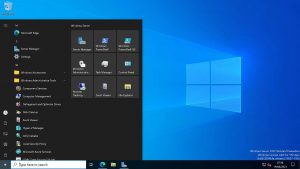
<p>Microsoft released Windows Server 2022 a few weeks ago. It did so earlier than expected, which is pretty odd, but it seems that the development of new features was already complete and mature so there was no point to wait a few months more. The last sentence pretty much explains the current status of Windows Server: so few changes, albeit interesting ones, that the product can be released months earlier than planned and without much fanfare.</p>


<p>While generally speaking the development of new features and functionalities for server applications mostly moved out of the base operating system and while we can also concede that Windows Server has many features at the OS level so it is difficult to design new ones, the fact each new release of Windows Server keeps bringing few new features is definitely because of Microsoft errors. Server applications today are either simple, think about a website or a Web application, or complicated. In the latter case, you generally think about microservices, Kubernetes and so on.</p>


<p>So we might say that since a few years Windows Server became more a tool to build base infrastructures than the base for new applications. That means that you usually install something on top of Windows Server to manage and deploy applications and you don&#8217;t usually rely on OS services only to develop your application. It is safe to say that it is a common scenario because Linux too is experiencing the same transformation.</p>


<p>However, Microsoft could have responded to Linux popularity by upping the ante and push more innovation into Windows Server and they didn&#8217;t.</p>


Windows Server 2022 &#8211; continued fragmentation


<p>The new Windows Server version has some nice and neat features. Besides a better Kubernetes compatibility, which is basically mandatory today, it features and big work to improve security. Credit where is due. That improves a lot both standalone servers security but it is also a fundamental improvement when deploying clusters, the famous infrastructures. </p>


<p>Other improvements include TLS 1.3 enabled by default and a few improvements around SMB, all of them improve security.</p>


<p>There would be other two important features to mention, one of them would be very important, but surprise: they won&#8217;t be available to all customers but only to those using Azure. At least for now.</p>


<p>Microsoft introduced Windows Server Datacenter: Azure Edition, another attempt to fragment Windows Server but the first one to draw a line between &#8220;standard&#8221; Windows Server and Azure versions. And we cannot welcome this kind of behavior because it basically starts to leave non-Azure Windows Server installations behind in an attempt to force Windows customers to move to Azure. Quite frankly, this is indecent especially when you factor how much Windows Server costs when compared to its competitor.</p>


<p>Features that Microsoft is withholding from its non-Azure customers are very important.</p>


<p>First, there is the much awaited hot-patching, that is a way to patch Windows without rebooting. Microsoft aims to use hot-patching especially for security patches and it would be a very ground-breaking innovation when considering how many emergency updates are needed [...]<img src="https://stats1.vaisulweb.cloud/piwik.php?idsite=1&amp;rec=1&amp;url=https%3A%2F%2Fwww.theserverside.technology%2Fit%2F2021%2F08%2F21%2Fwindows-server-2022-and-azure-stack-hci-microsoft-is-slowly-attempting-to-murder-windows-server-part-1%2F%3Fpk_campaign%3Dfeed%26pk_kwd%3Dwindows-server-2022-and-azure-stack-hci-microsoft-is-slowly-attempting-to-murder-windows-server-part-1&amp;action_name=Windows%20Server%202022%20and%20Azure%20Stack%20HCI%3A%20Microsoft%20is%20slowly%20attempting%20to%20murder%20Windows%20Server%20%26%238211%3B%20part%201&amp;urlref=https%3A%2F%2Fwww.theserverside.technology%2Fit%2Ffeed%2F" style="border:0;width:0;height:0" width="0" height="0" alt="" /></div>]]></description>
		
					<wfw:commentRss>https://www.theserverside.technology/it/2021/08/21/windows-server-2022-and-azure-stack-hci-microsoft-is-slowly-attempting-to-murder-windows-server-part-1/?pk_campaign=feed&#038;pk_kwd=windows-server-2022-and-azure-stack-hci-microsoft-is-slowly-attempting-to-murder-windows-server-part-1/feed/</wfw:commentRss>
			<slash:comments>0</slash:comments>
		
		
		<enclosure url="https://www.theserverside.technology/wp-content/uploads/2021/08/server2022.jpg" length="354615" type="image/jpg" />
<media:content xmlns:media="http://search.yahoo.com/mrss/" url="https://www.theserverside.technology/wp-content/uploads/2021/08/server2022-300x169.jpg" width="300" height="169" medium="image" type="image/jpeg">
	<media:copyright>The Server Side Technology</media:copyright>
	<media:title></media:title>
	<media:description type="html"><![CDATA[]]></media:description>
</media:content>
<media:thumbnail xmlns:media="http://search.yahoo.com/mrss/" url="https://www.theserverside.technology/wp-content/uploads/2021/08/server2022-300x169.jpg" width="300" height="169" />
	</item>
		<item>
		<title>Il framework per lo sviluppo: .NET Core</title>
		<link>https://www.theserverside.technology/it/2019/12/14/il-framework-per-lo-sviluppo-net-core/?pk_campaign=feed&#038;pk_kwd=il-framework-per-lo-sviluppo-net-core</link>
					<comments>https://www.theserverside.technology/it/2019/12/14/il-framework-per-lo-sviluppo-net-core/?pk_campaign=feed&#038;pk_kwd=il-framework-per-lo-sviluppo-net-core#respond</comments>
		
		<dc:creator><![CDATA[Guglielmo Mengora]]></dc:creator>
		<pubDate>Sat, 14 Dec 2019 14:30:50 +0000</pubDate>
				<category><![CDATA[Skynet blog]]></category>
		<category><![CDATA[.net core]]></category>
		<category><![CDATA[api]]></category>
		<category><![CDATA[frontend]]></category>
		<category><![CDATA[grpc]]></category>
		<category><![CDATA[javascript]]></category>
		<category><![CDATA[linux]]></category>
		<category><![CDATA[powershell]]></category>
		<category><![CDATA[powershell core]]></category>
		<category><![CDATA[rest]]></category>
		<category><![CDATA[skynet]]></category>
		<category><![CDATA[windows]]></category>
		<category><![CDATA[windows server]]></category>
		<guid isPermaLink="false">https://www.theserverside.technology/?p=1492</guid>

					<description><![CDATA[<div style="margin: 5px 5% 10px 5%;"><img src="https://www.theserverside.technology/wp-content/uploads/2019/12/backend_1920-300x169.jpg" width="300" height="169" title="" alt="" /></div><div>
<p>La prima scelta che è stato necessario prendere mentre progettavamo il design di Skynet era ovviamente il framework o i framework da usare per lo sviluppo. Le soluzioni sono moltissime e sicuramente ognuno ha delle ragioni specifiche per pensare a questa o quella soluzione in modo da semplificare il lavoro ed ottenere magari una piattaforma aperta che possa includere altre tecnologie o soluzioni. Un esempio tipico è quello di partire da un progetto opensource o magari disegnare un frontend basato su WordPress e sviluppare estensioni e moduli per integrare le funzionalità che servono. Con tutte le tecnologie che esistono, non c&#8217;è un modo giusto o sbagliato ma semplicemente una preferenza in base ad alcune valutazioni che si fanno internamente e che dipendono anche dall&#8217;esperienza che il team ha acquisito nonché dall&#8217;integrazione che è possibile o meno con altre tecnologie che magari sono già presenti in azienda e che si vogliono riutilizzare o estendere.</p>


I requisiti di Skynet


<p>Come sempre, si parte da quelli che sono i requisiti del progetto. Il design di Skynet deve avere alcune caratteristiche che derivano dalla nostra esperienza nell&#8217;uso di decine o anche centinaia di tecnologie tra orchestration, pannelli di controllo, sistemi di gestione e così via.</p>


Multipiattaforma 


<p>La tecnologia di cui avevamo bisogno doveva essere multipiattaforma in modo da consentire la gestione e soprattutto l&#8217;automazione dei sistemi più diffusi e quindi Windows e Linux. L&#8217;uso di un framework multipiattaforma doveva consentire anche il riutilizzo massiccio del codice che prevedevamo di scrivere per le decine di componenti che comporranno Skynet. </p>


<p>C&#8217;è inoltre da fare una ulteriore divisione all&#8217;interno del codice, prevedendo codice applicativo, che sarà indirizzato alle componenti principali, e un layer di interazione con i sistemi da gestire con i quali non sempre la scelta migliore è quella di usare un software ma spesso è più pratico affidarsi alle tecnologie di scripting. Inoltre, un layer di scripting consente &#8211; se messo in sicurezza &#8211; di prevedere anche un modo veloce per far evolvere singole funzionalità senza costringere al deployment dell&#8217;intero software.</p>


Prevalentemente asincrono e durevole


<p>Un sistema di gestione e di orchestrazione come quello che stiamo progettando deve necessariamente prevedere la possibilità di comunicare con diversi moduli che possano trovarsi non solo su sistemi diversi ma addirittura in datacenter diversi e distribuiti geograficamente e persino interagire con sistemi esterni alla nostra infrastruttura. Per la loro stessa natura queste interazioni non possono essere considerate come affidabili o parte di una rete costantemente connessa ma si deve dare per scontato che che questi sistemi possano essere saltuariamente disconnessi, ad esempio a causa di un temporaneo errore di rete, o incapaci di completare le azioni richieste al primo tentativo magari per un sovraccarico dei sistemi coinvolti o un altro problema saltuario.</p>


<p>Per questa ragione il framework che è stato scelto deve avere una forte impronta asincrona e non può essere basato su workflow che si aspettano di completare le operazioni in pochi secondi e senza una logica di retry/fail. Questo significa anche che i workflow che vengono eseguiti devono poter gestire questi possibili errori [...]<img src="https://stats1.vaisulweb.cloud/piwik.php?idsite=1&amp;rec=1&amp;url=https%3A%2F%2Fwww.theserverside.technology%2Fit%2F2019%2F12%2F14%2Fil-framework-per-lo-sviluppo-net-core%2F%3Fpk_campaign%3Dfeed%26pk_kwd%3Dil-framework-per-lo-sviluppo-net-core&amp;action_name=Il%20framework%20per%20lo%20sviluppo%3A%20.NET%20Core&amp;urlref=https%3A%2F%2Fwww.theserverside.technology%2Fit%2Ffeed%2F" style="border:0;width:0;height:0" width="0" height="0" alt="" /></div>]]></description>
		
					<wfw:commentRss>https://www.theserverside.technology/it/2019/12/14/il-framework-per-lo-sviluppo-net-core/?pk_campaign=feed&#038;pk_kwd=il-framework-per-lo-sviluppo-net-core/feed/</wfw:commentRss>
			<slash:comments>0</slash:comments>
		
		
		<enclosure url="https://www.theserverside.technology/wp-content/uploads/2019/12/backend_1920.jpg" length="356511" type="image/jpg" />
<media:content xmlns:media="http://search.yahoo.com/mrss/" url="https://www.theserverside.technology/wp-content/uploads/2019/12/backend_1920-300x169.jpg" width="300" height="169" medium="image" type="image/jpeg">
	<media:copyright>The Server Side Technology</media:copyright>
	<media:title></media:title>
	<media:description type="html"><![CDATA[]]></media:description>
</media:content>
<media:thumbnail xmlns:media="http://search.yahoo.com/mrss/" url="https://www.theserverside.technology/wp-content/uploads/2019/12/backend_1920-300x169.jpg" width="300" height="169" />
	</item>
		<item>
		<title>How to containerize Windows Admin Center</title>
		<link>https://www.theserverside.technology/it/2019/11/02/how-to-containerize-windows-admin-center/?pk_campaign=feed&#038;pk_kwd=how-to-containerize-windows-admin-center</link>
					<comments>https://www.theserverside.technology/it/2019/11/02/how-to-containerize-windows-admin-center/?pk_campaign=feed&#038;pk_kwd=how-to-containerize-windows-admin-center#comments</comments>
		
		<dc:creator><![CDATA[Guglielmo Mengora]]></dc:creator>
		<pubDate>Sat, 02 Nov 2019 15:48:29 +0000</pubDate>
				<category><![CDATA[SysAdmins]]></category>
		<category><![CDATA[containers]]></category>
		<category><![CDATA[hyper-v]]></category>
		<category><![CDATA[windows]]></category>
		<category><![CDATA[windows admin center]]></category>
		<category><![CDATA[windows server]]></category>
		<guid isPermaLink="false">https://www.theserverside.technology/?p=1426</guid>

					<description><![CDATA[<div style="margin: 5px 5% 10px 5%;"><img src="https://www.theserverside.technology/wp-content/uploads/2019/11/wac_header-300x174.png" width="300" height="174" title="" alt="" /></div><div>
<p class="has-drop-cap">Microsoft is investing a lot into its new Server Manager though Redmond is not encouraging that parallelism and often says that Windows Admin Center is not a 1-to-1 replacement for Server Manager. That is true because Server Manager and its underlying technology has a deeper connection with the operating system and it can be considered a platform while Winows Admin Center can be considered a very sophisticated shell that mostly works through WMI/Powershell connections.</p>


<p>However, Windows Admin Center is gaining a lot of traction and it&#8217;s quickly gaining support because its Web UI allows to embed important tasks into simple to access and to use widgets called tools and access them through a simple browser. Productivity is enhanced especially when used with the Core version of Windows operating systems and I&#8217;m not surprised that Microsoft is experiencing a growth in adoption for the Core SKUs because of it.</p>


Why containerizing Windows Admin Center ?


<p>So the first question would be: why would someone want to containerize Windows Admin Center ? First, a containerized WAC would be very easy to deploy on multiple systems in a very straightforward way. Furthermore, multiple copies of WAC, possibly in use by different teams, could be deployed and used thanks to the isolation provided by containers and their flexibility. Containers could be also useful to mitigate any security issue that could arise even if Windows Admin Center showed no security vulnerabilities as far as I know. Finally, by using Hyper-V isolation multiple instances of WAC could be isolated and provided to multiple tenants.</p>


Prepare the environment


<p>To deploy WAC into a container we will use Windows Server 2019. We must first enable containers support by selecting and adding the feature in Roles&#38;Features section of Server Manager:</p>


<p>Then we must install Docker as per Microsoft Docs : </p>


Install-Module -Name DockerMsftProvider -Repository PSGallery -Force


<p>and then</p>


Install-Package -Name docker -ProviderName DockerMsftProvider


<p>and finally restore Windows Server 2019 to complete installation</p>


Restart-Computer -Force


<p>When server restarts we can pull the Windows Server 2019 Core image that we will use to run Windows Admin Center. Note that WAC doesn&#8217;t need IIS because it will self-host so downloading the base OS image will be enough</p>


docker pull mcr.microsoft.com/windows/servercore:ltsc2019


<p>After downloading the image we are now ready to spin our new container and install Windows Admin Center.</p>


Create the WAC container 


<p>We have a choice to make before creating the container for WAC and that is the port we want to expose WAC onto. That would be the port we connect to in order to use WAC. To make our life easier now, we will expose this port to the host but more sophisticated deployments might be appropriate depending on what you&#8217;re trying to achieve. We need to decide that first because we will then need this information when installing Windows Admin Center. We will make it available on port 8443.</p>


docker run -it -p 8443:8443 mcr.microsoft.com/windows/servercore:ltsc2019 cmd.exe


<p>If everything goes well you will have CMD prompt ready after starting the container. Now we need to copy the installation files into the container. You probably downloaded [...]<img src="https://stats1.vaisulweb.cloud/piwik.php?idsite=1&amp;rec=1&amp;url=https%3A%2F%2Fwww.theserverside.technology%2Fit%2F2019%2F11%2F02%2Fhow-to-containerize-windows-admin-center%2F%3Fpk_campaign%3Dfeed%26pk_kwd%3Dhow-to-containerize-windows-admin-center&amp;action_name=How%20to%20containerize%20Windows%20Admin%20Center&amp;urlref=https%3A%2F%2Fwww.theserverside.technology%2Fit%2Ffeed%2F" style="border:0;width:0;height:0" width="0" height="0" alt="" /></div>]]></description>
		
					<wfw:commentRss>https://www.theserverside.technology/it/2019/11/02/how-to-containerize-windows-admin-center/?pk_campaign=feed&#038;pk_kwd=how-to-containerize-windows-admin-center/feed/</wfw:commentRss>
			<slash:comments>1</slash:comments>
		
		
		<enclosure url="https://www.theserverside.technology/wp-content/uploads/2019/11/wac_header.png" length="102851" type="image/jpg" />
<media:content xmlns:media="http://search.yahoo.com/mrss/" url="https://www.theserverside.technology/wp-content/uploads/2019/11/wac_header-300x174.png" width="300" height="174" medium="image" type="image/jpeg">
	<media:copyright>The Server Side Technology</media:copyright>
	<media:title></media:title>
	<media:description type="html"><![CDATA[]]></media:description>
</media:content>
<media:thumbnail xmlns:media="http://search.yahoo.com/mrss/" url="https://www.theserverside.technology/wp-content/uploads/2019/11/wac_header-300x174.png" width="300" height="174" />
	</item>
		<item>
		<title>With Microsoft giving up on mobile, is the Universal Windows Platform worth the effort anymore ?</title>
		<link>https://www.theserverside.technology/it/2017/10/22/with-microsoft-giving-up-on-mobile-is-the-universal-windows-platform-worth-the-effort-anymore/?pk_campaign=feed&#038;pk_kwd=with-microsoft-giving-up-on-mobile-is-the-universal-windows-platform-worth-the-effort-anymore</link>
					<comments>https://www.theserverside.technology/it/2017/10/22/with-microsoft-giving-up-on-mobile-is-the-universal-windows-platform-worth-the-effort-anymore/?pk_campaign=feed&#038;pk_kwd=with-microsoft-giving-up-on-mobile-is-the-universal-windows-platform-worth-the-effort-anymore#respond</comments>
		
		<dc:creator><![CDATA[Guglielmo Mengora]]></dc:creator>
		<pubDate>Sun, 22 Oct 2017 10:01:08 +0000</pubDate>
				<category><![CDATA[Development]]></category>
		<category><![CDATA[Markets & Analysis]]></category>
		<category><![CDATA[android]]></category>
		<category><![CDATA[arm]]></category>
		<category><![CDATA[bill gates]]></category>
		<category><![CDATA[development]]></category>
		<category><![CDATA[device]]></category>
		<category><![CDATA[fuchsia]]></category>
		<category><![CDATA[holographic]]></category>
		<category><![CDATA[hololens]]></category>
		<category><![CDATA[ios]]></category>
		<category><![CDATA[iot]]></category>
		<category><![CDATA[magenta]]></category>
		<category><![CDATA[microsoft]]></category>
		<category><![CDATA[mobile]]></category>
		<category><![CDATA[satya nadella]]></category>
		<category><![CDATA[steve ballmer]]></category>
		<category><![CDATA[uwp]]></category>
		<category><![CDATA[win32]]></category>
		<category><![CDATA[windows]]></category>
		<category><![CDATA[windows 10]]></category>
		<category><![CDATA[xamarin]]></category>
		<category><![CDATA[xbox]]></category>
		<guid isPermaLink="false">http://www.theserverside.technology/?p=1230</guid>

					<description><![CDATA[<div style="margin: 5px 5% 10px 5%;"><img src="https://www.theserverside.technology/wp-content/uploads/2017/10/windows10_tablet-300x150.jpg" width="300" height="150" title="" alt="" /></div><div><p>A couple of weeks ago, Joe Belfiore confirmed that Microsoft is not &#8220;focusing&#8221; on Windows 10 Mobile anymore, essentially giving up the whole phone strategy of Microsoft. While Redmond is not officially retiring the platform, Belfiore told us that there will be no new features and no new devices, suggesting to switch to competing platforms. I almost instantly commented that it is a huge error made by Microsoft that had and has the resources to run a niche mobile platform while it waits for &#8220;the new generation of mobile devices&#8221;, as they call it.</p>
<p>The first casualty of that error could be the Universal Windows Platform (UWP) framework that promised to help developers to design applications for &#8220;any form factor&#8221; Windows 10 was running onto. However, with the retirement of Windows 10 Mobile and without any viable alternative for the smartphone-sized form factor, what would the word &#8220;any&#8221; mean ? While the UWP platform also includes Xboxes, IoT and holographic devices (Hololens and compatible devices), it is easy to understand that the big share of devices that could be interested in UWP apps were the desktop+mobile ones.</p>
<p>Xboxes, holographic and especially IoT devices for sure will feature a completely different class of apps and it will be not so common to have UWP software running the very same application on IoT devices AND desktop ones. Sure, Spotify could be useful on Xbox but since .NET is the common development framework for both Win32 and UWP there&#8217;s already a baseline of code that could be shared across the different versions of Windows-based applications and Win32 recently had access to the UWP-specific APIs too.</p>
<p><p>Xboxes, holographic and especially IoT devices for sure will feature a completely different class of apps and it will be not so common to have UWP software running the very same application on IoT devices AND desktop ones. </p></p>
<p>No-one was thinking that Win32 was going anywhere soon because Microsoft is sane and it will not cut the tie to hundreds of millions of applications just to turn itself into a new OS X but the fact that Win32 will come to ARM devices, in my opinion, makes even less important to dig into UWP ecosystem. The very fact that Microsoft not only ensured to move the Win32 ecosystem onto the boat of ARM devices but also ensured that such apps could be packaged for the store and also enabled its access to UWP APIs means that the adoption of that universal platform is not moving as fast as initially expected.</p>
<p>While there could be some technical reasons for that, the main point here is just that the mobile demise made less important to switch to a somewhat limited and entire new platform just to create apps that would run on desktops anyway. .NET standard 2.0 that has been recently released will help put UWP apps on par with .NET framework ones but it&#8217;s difficult to understand whom such apps are aimed to now that mobile is no more.</p>
<p>Don&#8217;t get me wrong: I [...]<img src="https://stats1.vaisulweb.cloud/piwik.php?idsite=1&amp;rec=1&amp;url=https%3A%2F%2Fwww.theserverside.technology%2Fit%2F2017%2F10%2F22%2Fwith-microsoft-giving-up-on-mobile-is-the-universal-windows-platform-worth-the-effort-anymore%2F%3Fpk_campaign%3Dfeed%26pk_kwd%3Dwith-microsoft-giving-up-on-mobile-is-the-universal-windows-platform-worth-the-effort-anymore&amp;action_name=With%20Microsoft%20giving%20up%20on%20mobile%2C%20is%20the%20Universal%20Windows%20Platform%20worth%20the%20effort%20anymore%20%3F&amp;urlref=https%3A%2F%2Fwww.theserverside.technology%2Fit%2Ffeed%2F" style="border:0;width:0;height:0" width="0" height="0" alt="" /></div>]]></description>
		
					<wfw:commentRss>https://www.theserverside.technology/it/2017/10/22/with-microsoft-giving-up-on-mobile-is-the-universal-windows-platform-worth-the-effort-anymore/?pk_campaign=feed&#038;pk_kwd=with-microsoft-giving-up-on-mobile-is-the-universal-windows-platform-worth-the-effort-anymore/feed/</wfw:commentRss>
			<slash:comments>0</slash:comments>
		
		
		<enclosure url="https://www.theserverside.technology/wp-content/uploads/2017/10/windows10_tablet.jpg" length="262521" type="image/jpg" />
<media:content xmlns:media="http://search.yahoo.com/mrss/" url="https://www.theserverside.technology/wp-content/uploads/2017/10/windows10_tablet-300x150.jpg" width="300" height="150" medium="image" type="image/jpeg">
	<media:copyright>The Server Side Technology</media:copyright>
	<media:title></media:title>
	<media:description type="html"><![CDATA[]]></media:description>
</media:content>
<media:thumbnail xmlns:media="http://search.yahoo.com/mrss/" url="https://www.theserverside.technology/wp-content/uploads/2017/10/windows10_tablet-300x150.jpg" width="300" height="150" />
	</item>
		<item>
		<title>Disponibili build per PHP WinCache a 64bit</title>
		<link>https://www.theserverside.technology/it/2015/12/28/disponibili-build-per-php-wincache-a-64bit/?pk_campaign=feed&#038;pk_kwd=disponibili-build-per-php-wincache-a-64bit</link>
					<comments>https://www.theserverside.technology/it/2015/12/28/disponibili-build-per-php-wincache-a-64bit/?pk_campaign=feed&#038;pk_kwd=disponibili-build-per-php-wincache-a-64bit#respond</comments>
		
		<dc:creator><![CDATA[The Server-Side Technology Staff]]></dc:creator>
		<pubDate>Mon, 28 Dec 2015 22:42:15 +0000</pubDate>
				<category><![CDATA[News]]></category>
		<category><![CDATA[Windows Server]]></category>
		<category><![CDATA[build]]></category>
		<category><![CDATA[iis]]></category>
		<category><![CDATA[PHP]]></category>
		<category><![CDATA[wincache]]></category>
		<category><![CDATA[windows]]></category>
		<category><![CDATA[x64]]></category>
		<guid isPermaLink="false">http://www.theserverside.technology/?p=974</guid>

					<description><![CDATA[<div style="margin: 5px 5% 10px 5%;"><img src="https://www.theserverside.technology/wp-content/uploads/2015/10/php_1024-300x225.jpg" width="300" height="225" title="" alt="" /></div><div><p>Da qualche tempo PHP ha iniziato a rilasciare anche delle build per Windows a 64bit, probabilmente in previsione del lancio della prima versione 64bit non sperimentale per la versione 7 di PHP. Sono attualmente disponibili le versioni x64 sia di PHP 5.5 che 5.6 oltre che ovviamente dell&#8217;ultima nata. Il framework dispone anche della corrispondente versione a 64 bit per la OpCache distribuita con i file compilati per Windows ma la sorpresa è che invece il modulo WinCache che Microsoft ha sviluppato qualche anno fa per migliorare le prestazioni di PHP (e che spesso viene considerato uno dei migliori moduli di accelerazione disponibili) non ha invece distribuzioni a 64bit ufficiali.</p>
<p>Certamente quelle versioni di PHP non hanno molto seguito in ambiente Windows e questo non ha spinto Microsoft a fornire versioni diverse del proprio acceleratore ma ora che ci sono delle distribuzioni ufficiali a 64bit per PHP 5.5 e 5.6 sarebbe comunque positivo poter integrare la OpCache di Zend e WinCache di Microsoft. Da notare che per PHP 7 la versione x64 di WinCache è prevista ed in fase di testing.</p>
<p>Per fortuna sul Web qualcuno ha pensato di compilare a 64bit il modulo WinCache e renderlo disponibile ! Questo sito Web ha delle build a 64bit per PHP 5.5 e 5.6 fino alla versione 1.3.7.4 di WinCache, forse non l&#8217;ultima build ma comunque molto recenti visto che l&#8217;ultima ha data 30/3/2015.</p>
<p>La domanda quindi è: funzionano ? Ovviamente non le abbiamo provate tutte ma possiamo dire che The Server-Side Technology usa ora PHP 5.6 x64 con la versione di WinCache 1.3.7.4 disponibile sul sito che abbiamo indicato. Abbiamo avuto grandi risultati con PHP7 ma alcune parti del nostro sito non erano al 100% compatibili e siamo ritornati a PHP 5.6, mantenendo però la versione a 64bit come base. Se avete quindi bisogno della versione 64bit del modulo WinCache, per adesso possiamo consigliare di provare quelle compilazioni: non sembrano esserci problemi particolari di compatibilità. Del resto, dovrebbero essere solo compilazioni a 64bit dei file originali&#8230;.</p>
<img src="https://stats1.vaisulweb.cloud/piwik.php?idsite=1&amp;rec=1&amp;url=https%3A%2F%2Fwww.theserverside.technology%2Fit%2F2015%2F12%2F28%2Fdisponibili-build-per-php-wincache-a-64bit%2F%3Fpk_campaign%3Dfeed%26pk_kwd%3Ddisponibili-build-per-php-wincache-a-64bit&amp;action_name=Disponibili%20build%20per%20PHP%20WinCache%20a%2064bit&amp;urlref=https%3A%2F%2Fwww.theserverside.technology%2Fit%2Ffeed%2F" style="border:0;width:0;height:0" width="0" height="0" alt="" /></div>]]></description>
		
					<wfw:commentRss>https://www.theserverside.technology/it/2015/12/28/disponibili-build-per-php-wincache-a-64bit/?pk_campaign=feed&#038;pk_kwd=disponibili-build-per-php-wincache-a-64bit/feed/</wfw:commentRss>
			<slash:comments>0</slash:comments>
		
		
		<enclosure url="https://www.theserverside.technology/wp-content/uploads/2015/10/php_1024.jpg" length="172113" type="image/jpg" />
<media:content xmlns:media="http://search.yahoo.com/mrss/" url="https://www.theserverside.technology/wp-content/uploads/2015/10/php_1024-300x225.jpg" width="300" height="225" medium="image" type="image/jpeg">
	<media:copyright>The Server Side Technology</media:copyright>
	<media:title></media:title>
	<media:description type="html"><![CDATA[]]></media:description>
</media:content>
<media:thumbnail xmlns:media="http://search.yahoo.com/mrss/" url="https://www.theserverside.technology/wp-content/uploads/2015/10/php_1024-300x225.jpg" width="300" height="225" />
	</item>
	</channel>
</rss>
